
Planning note
This guide is written for Orlando-area landscaping planning and estimate preparation. Orlando Landscape Pros helps route estimate requests to partner professionals; provider qualifications, pricing, scheduling, and final work terms should be verified directly before hiring.
Key takeaways
- Standing water is often caused by grading, runoff, compaction, or blocked discharge paths.
- Photos after rain are one of the most useful estimate details.
- Drainage should be addressed before sod, pavers, turf, or retaining walls.
Low spots and grading send water to the wrong place
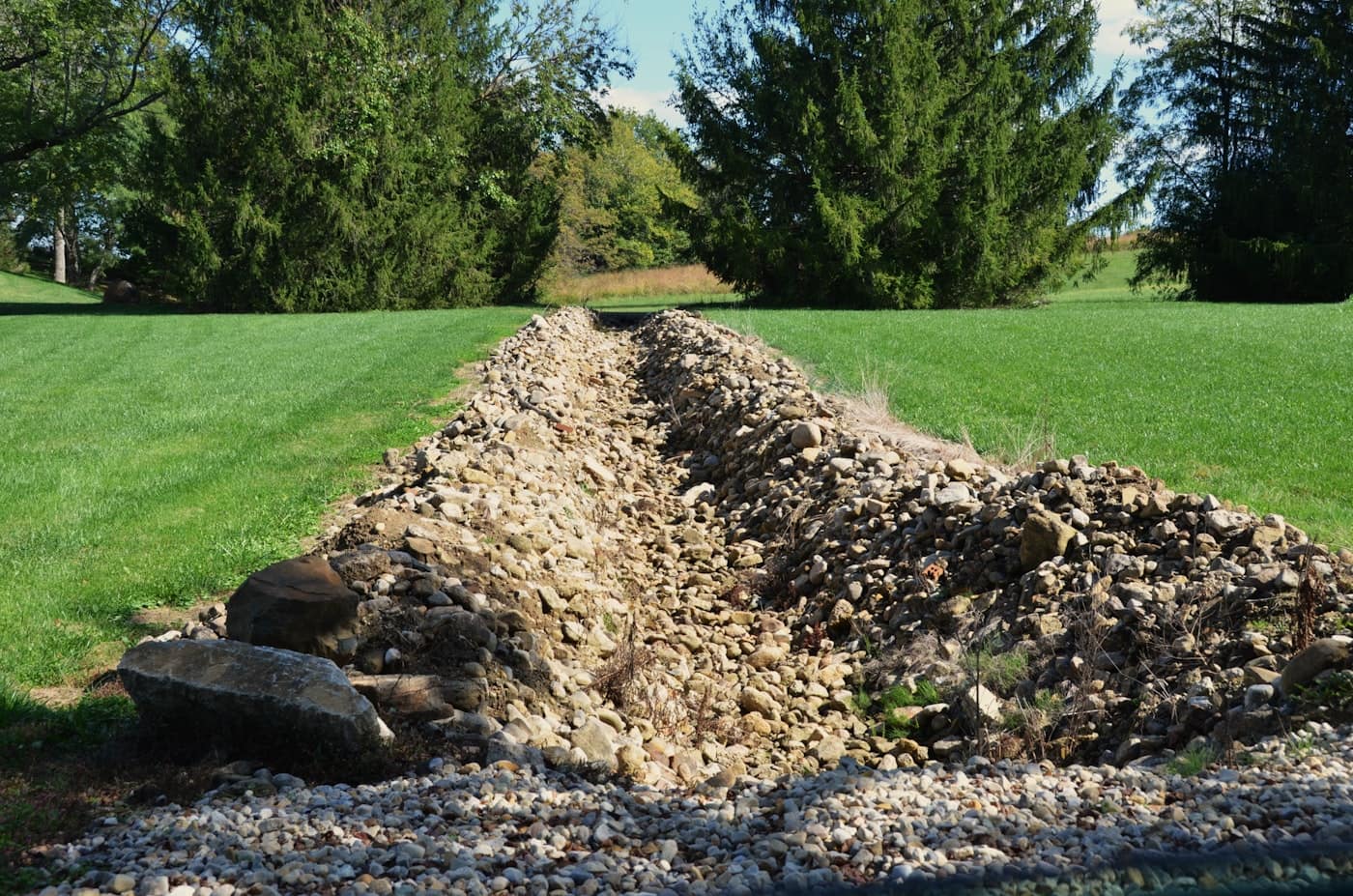
Many wet-yard problems start with the shape of the property. If water moves toward the house, patio, fence, or a low section of lawn, it may need grading, a drain path, downspout routing, or a combination of solutions.
Hardscapes and roof runoff can overload the yard
Patios, driveways, pool decks, roofs, and neighboring lots can all send water into the same area. Before installing new pavers, sod, or turf, identify where the water comes from and how it should leave the property.
A better drainage request includes photos after storms
Take photos or video during rain, right after rain, and several hours later. That gives local drainage pros a clearer picture of water movement, saturation, and whether the issue is surface runoff, subsurface water, or a low-grade area.
Common questions
Why does my Orlando yard stay wet for days?
Common causes include poor grading, compacted soil, downspout runoff, blocked drainage paths, low spots, or water from nearby hardscapes.
Should I install sod before fixing drainage?
Usually no. New sod can fail quickly if the underlying drainage problem remains.
What photos help with a drainage estimate?
Photos during rain, after rain, several hours later, and from the direction water appears to enter the problem area are helpful.